
AIRRATE

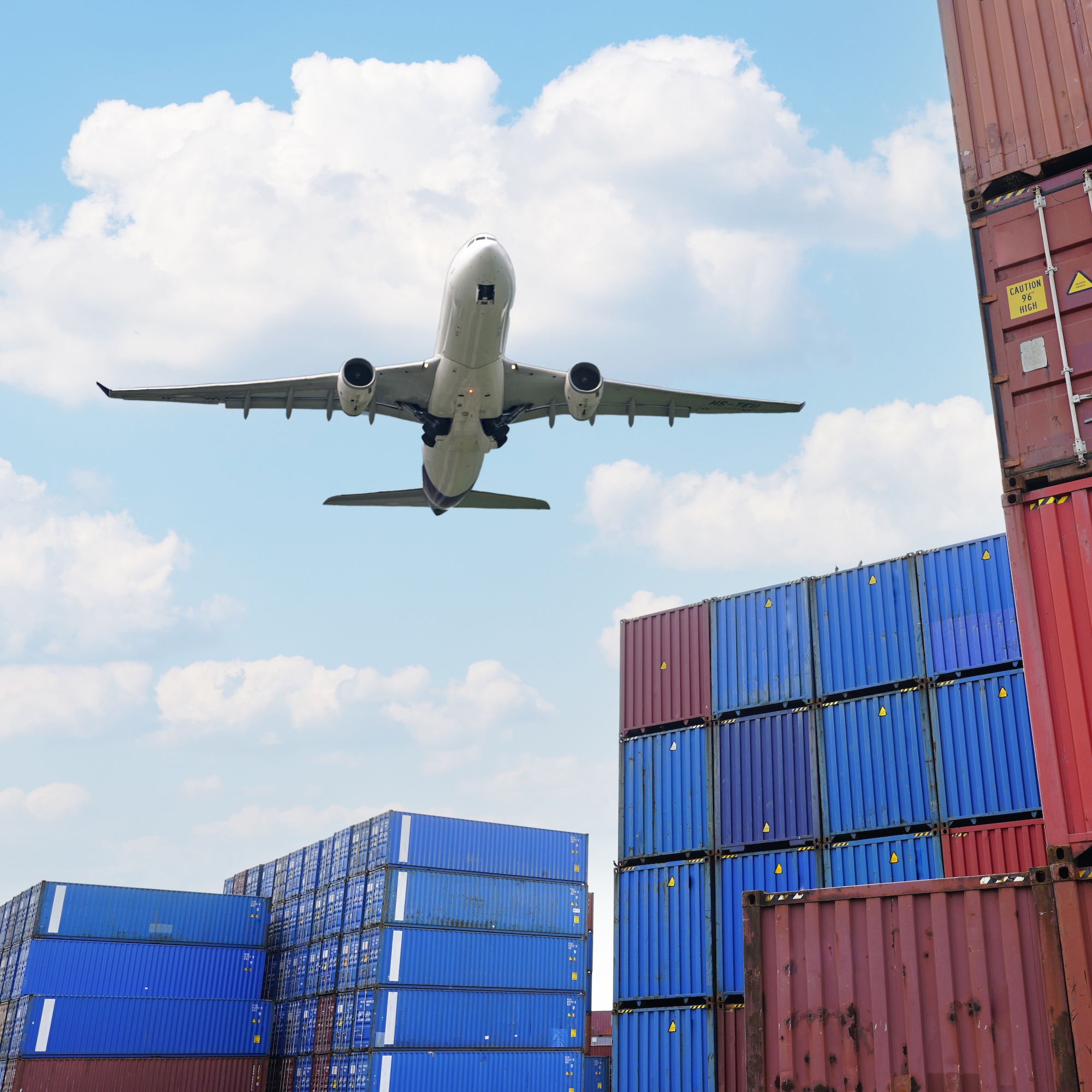
Aircraft operating at an international airport
The honest answer is: it depends.

Urgency, weight, value, risk and lead time determine the right transport mode.

A Practical Guide for Forwarders

Start with the client’s real commercial priority.

Clients ask this question constantly. Should we ship by air or sea? The truthful answer is always that it depends.

For large, heavy shipments with generous lead times, the economics of air rarely make sense. For smaller, high-value or time-sensitive cargo, air is often not just preferable but necessary.

The Basic Tradeoff

Air buys time. Ocean reduces transport cost.

The correct recommendation balances the cost of transportation against the cost of waiting.

Speed priority

Air Freight

The stronger option for urgent, high-value, perishable or commercially time-sensitive cargo.

Typical transit 2–7 business days
Main advantage Speed
Cost priority

Ocean Freight

The stronger option for large, heavy and non-urgent shipments where sufficient lead time is available.

Typical transit 14–45 days
Main advantage Lower cost
When Air Freight Makes Sense

Use air when time or risk matters more than the freight premium.

These are the shipment profiles where air freight often becomes commercially necessary.

Time-Sensitive Cargo

Product launches, seasonal goods and replenishment stock that is already running low.

High-Value Cargo

Electronics, pharmaceuticals and luxury goods where transit risk matters as much as transportation cost.

Perishables

Fresh, temperature-sensitive or short-life goods that cannot survive a three-week ocean voyage.

Lighter Shipments

Smaller cargo where the air freight premium remains reasonable relative to the value of the goods.

Supply Chain Emergencies

Production shortages, critical replacements and situations where ocean lead times are no longer an option.

Restricted Cargo

Dangerous goods or specialist shipments where ocean restrictions make an air routing worth evaluating.

When Ocean Freight Makes Sense

Use ocean when volume and transport cost drive the decision.

Ocean remains the more practical option when the cargo is large, heavy and non-urgent, and the client has sufficient lead time.

01 Large and Heavy Cargo Shipments where air freight charges would be disproportionate.
02 Four to Six Weeks Available Non-urgent cargo with enough lead time for a longer transit.
03 Bulk and Industrial Cargo Raw materials, heavy equipment and large industrial goods.
04 Cost Is the Main Priority Clients where the lowest possible freight cost outweighs speed.
Transit Time Comparison

The difference is measured in weeks, not hours.

Transit varies by corridor, service and shipment scope, but the general speed difference is significant.

Air Freight 2–7 business days
Ocean Freight 14–45 days

Air timing is generally measured door to door on most international routes. Actual shipment timing depends on pickup, clearance, routing and final delivery.

Cost Comparison

Freight cost is only one part of the commercial equation.

Air freight generally costs four to six times more than ocean on a per-kilogram basis.

For high-value cargo, the shorter transit can help offset part of that premium through lower insurance exposure and reduced risk of damage or theft.

Decision factor Air freight Ocean freight
Transport cost per kg Higher Lower
Transit time Shorter Longer
Inventory in transit Reduced Higher
Exposure to delay Lower Higher
The Middle Ground

Some shipments need a blended solution.

When a client needs something faster than ocean but cannot justify full air rates, air-sea combinations or premium ocean services may be worth exploring.

Air Segment Move quickly to a regional hub
Final Segment Continue using a lower-cost mode
Making the Recommendation

Ask four questions before selecting the mode.

The best recommendation is the one that reflects the commercial impact of time, cost, cargo value and shipment size.

How urgent is the shipment? A short deadline strongly favors air freight. Time
What is the value of the cargo? Higher-value goods can justify a faster and lower-risk option. Value
How large and heavy is it? Size and weight can make ocean the only sensible economic choice. Volume
What is the cost of waiting? Lost sales or production delays can exceed the air freight premium. Risk

Get air freight rates in seconds.

Compare current airline options and determine whether air freight makes commercial sense for your client’s shipment.